
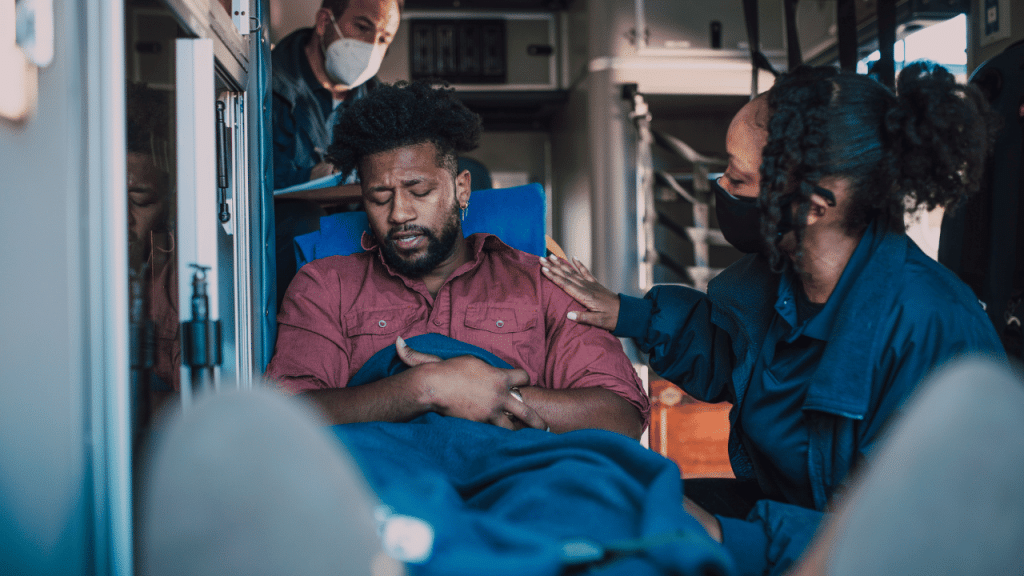
After a car accident, you may be focused on your injuries, repairing your vehicle, missing work, and figuring out how you are going to pay your bills.
The insurance company has a different focus.
Once an injury claim is reported, an insurance adjuster begins gathering information and evaluating the insurance company’s potential financial responsibility. Adjusters handle claims every day. Most accident victims may only experience a serious injury claim once in their lives.
That difference in experience matters.
At Barghout Law Group, APC, we help accident victims throughout Imperial Beach, Chula Vista, National City, and the greater San Diego area understand the insurance claims process and protect themselves from mistakes that can reduce the value of legitimate claims.
If you have been injured in a car accident, understanding how an insurance company evaluates a personal injury claim can help you make better decisions from the beginning.
What Happens After You File a Car Accident Injury Claim?
Once an insurance company receives notice of a claim, the investigation process begins.
The California Department of Insurance explains that insurers operating under the state’s Fair Claims Settlement Practices Regulations have obligations regarding acknowledging claims, investigating them, responding to communications, and accepting or denying claims after receiving the necessary proof.
That does not mean the insurance company is representing your interests.
The adjuster’s job is to investigate the accident and determine what the insurance company may owe under the applicable policy and circumstances.
During that process, the adjuster may investigate several major questions:
- Who caused the accident?
- What evidence supports each driver’s version of events?
- Were you injured?
- What injuries were caused by the accident?
- What medical treatment did you receive?
- Did you miss work?
- Will you require additional medical treatment?
- Is there evidence that could reduce the value of the claim?
This is why the actions you take after an accident matter.
What Evidence Does an Insurance Company Review?
A personal injury claim is built on evidence.
The stronger and more consistent that evidence is, the more difficult it becomes to dispute legitimate injuries and losses.
Police Reports and Accident Evidence
An insurance adjuster may review evidence such as:
- Police reports
- Accident scene photographs
- Vehicle damage
- Witness statements
- Dash camera footage
- Surveillance video
- Road and weather conditions
One of the problems we frequently see is that accident victims assume fault is obvious.
The other driver may even apologize or accept responsibility at the scene.
Later, that driver’s version of events can change.
Suddenly, what appeared to be a straightforward accident becomes a disputed liability claim.
This is why we encourage accident victims to document as much as possible at the scene. Photographs, witness information, dash cam recordings, and surveillance footage can help establish what actually happened.
California also imposes separate reporting requirements for certain crashes. The California DMV requires an SR-1 report within 10 days when someone is injured or killed, or when property damage exceeds $1,000. The DMV explains that this requirement applies regardless of fault and is separate from reports made to police or an insurance company.
Medical Records
Medical records are another critical part of an insurance company personal injury claim.
Adjusters may examine:
- When you first sought treatment
- Your diagnosis
- Reported symptoms
- Diagnostic imaging
- Treatment recommendations
- Follow-up appointments
- Missed appointments
- Gaps in treatment
- Future treatment recommendations
If you wait days or weeks to seek medical attention, the insurance company may question why.
If you repeatedly miss appointments, the insurer may argue that your injuries were not as serious as claimed.
This is why we tell clients that medical treatment serves two purposes. Most importantly, it protects your health. It also creates documentation of the injuries caused by the accident.
Lost Wages and Financial Losses
If your injuries prevent you from working, the insurance company may also evaluate your lost income.
Documentation may include:
- Pay records
- Employer verification
- Time missed from work
- Medical restrictions
- Evidence of reduced earning ability
California Courts recognizes lost wages and medical bills among the losses that may be pursued in a personal injury case.
The more significant your financial losses become, the more important proper documentation becomes.
Why Do Insurance Adjusters Ask for Recorded Statements?
One of the first things an insurance adjuster may request is a recorded statement.
This can sound routine.
The adjuster may simply say they want to understand what happened.
The problem is that a recorded statement creates evidence.
You May Not Know Everything Yet
Immediately after an accident, you may not know the full extent of your injuries.
You may not have seen the police report.
You may not have spoken with witnesses.
You may still be trying to remember exactly what happened during a traumatic event.
Despite that uncertainty, your recorded answers may later be compared against medical records, witness testimony, accident evidence, or statements you make months later.
Even innocent inconsistencies can create problems.
A person who says “I’m doing okay” during a phone call may simply be trying to be polite. An insurance company may later point to that statement when questioning the severity of the person’s injuries.
Before providing a recorded statement to the other driver’s insurance company, understand that the adjuster represents the insurance carrier’s interests, not yours.
Why Medical Treatment Can Affect Your Personal Injury Claim
Medical documentation is one of the foundations of an injury claim.
After an accident, adrenaline and shock can mask symptoms. Some injuries become more noticeable hours or days later.
This makes prompt medical evaluation important.
It is equally important to follow your doctor’s treatment recommendations.
Insurance Companies Look for Treatment Gaps
A significant gap in medical treatment may give an insurer an opportunity to argue:
- You were not seriously injured.
- Your symptoms had resolved.
- Your later treatment was unnecessary.
- Another event caused your condition.
This does not mean every missed appointment destroys a claim. Real life happens.
However, unexplained delays and repeated gaps can create issues that might otherwise have been avoided.
Follow your medical provider’s recommendations and prioritize your recovery.
Why Do Insurance Companies Make Early Settlement Offers?
After a serious accident, financial pressure can build quickly.
You may have medical bills arriving while you are simultaneously losing income because you cannot work.
An early settlement can sound appealing.
The problem is that the offer may arrive before anyone knows what your injuries will ultimately require.
You May Not Know Your Future Medical Needs Yet
Imagine accepting a settlement while you are still experiencing back pain.
Several weeks later, additional testing shows that you need more extensive treatment.
Or perhaps a concussion develops into persistent symptoms that interfere with your ability to work.
An early settlement may not adequately account for those future losses.
Before accepting an offer, you should understand:
- Your current medical expenses
- Your likely future treatment
- Your lost wages
- Potential future income losses
- The severity and duration of your injuries
- The legal effect of the settlement documents
Settlement releases are important legal documents. You should understand what rights you are giving up before signing one.
How a Personal Injury Attorney Levels the Playing Field
Insurance adjusters handle claims every day.
So do experienced personal injury attorneys.
That matters because an accident victim should not have to learn the insurance claims process while simultaneously trying to recover from an injury.
At Barghout Law Group, APC, our job is to protect our client’s interests.
We can help by:
- Preserving accident evidence
- Investigating liability
- Communicating with insurance companies
- Documenting injuries and damages
- Reviewing settlement offers
- Challenging claim denials
- Negotiating for appropriate compensation
- Monitoring legal deadlines
- Filing a lawsuit when necessary
Not every personal injury case needs to result in a lawsuit.
Many claims can be resolved through negotiations. When an insurance company refuses to offer a fair resolution, however, litigation may become necessary.
California Courts states that personal injury lawsuits generally have a two-year filing deadline from the date of injury, although exceptions and shorter deadlines can apply in some circumstances, particularly claims involving government entities.
Waiting too long can jeopardize important rights.
Protect Your Personal Injury Claim From the Beginning
The insurance company starts evaluating your claim early.
You should start protecting it early too.
Seek appropriate medical treatment. Preserve accident evidence. Follow your doctor’s recommendations. Be careful about recorded statements. Do not rush into a settlement before understanding the full extent of your injuries and financial losses.
If you have been injured in a car accident in Imperial Beach, Chula Vista, National City, or elsewhere in San Diego County, Barghout Law Group, APC can help you understand what the insurance company is looking for and how to protect your claim.
Contact our office today for a free consultation. We can review your accident, explain your options, and help you pursue the compensation you deserve.
Featured Photo by RDNE Stock project